

究竟,是甚麼決定設計?
“這是一個人人都可以擁有自己AI設計工作室的時代。”當類似的論斷不斷被重複,人們似乎已經默認:創意正在被技術民主化,設計正在被算力重新定義。
然而,一個值得追問的問題是——當AI能夠快速生成無數個“正確答案”時,人們是否還會為這些答案感到興奮?今天的互聯網用戶,會不會像曾經厭倦千篇一律的“網紅臉”一樣,對AI生成的視覺語言逐漸產生審美疲勞?會不會在未來發起一場新的審美回歸——一種“去AI化”的審美需求,以及一種“去範本化”的品牌訴求?
因為有一件事情始終毋庸置疑:
無論算力如何增長,人類創造力最珍貴的部分,依然無法被替代。
創作的本質,從來不是尋找標準答案,而是在無數不確定性中發現新的可能。那些偶然的靈感、模糊的直覺、複雜的情感、獨特的人生經驗,以及對時代的敏銳感知,共同構成了創作最豐沛的資源庫。而這些,恰恰不是演算法所能完全複製的。
“This is an era in which everyone can own their very own AI-powered design studio.” As statements like this are repeated time and again, many seem to have accepted that creativity is being democratized by technology, and that design itself is being redefined by computational power.
Yet one question remains worth asking: When AI is capable of generating countless “correct answers” at remarkable speed, will people continue to be inspired by those answers? Just as internet users once grew weary of the uniformity of the “influencer face,” might we eventually develop a similar aesthetic fatigue toward AI-generated creativity? Could the future bring a renewed desire for authenticity—a movement toward a more “de-AI-fied” aesthetic sensibility and a less homogenized approach to branding?
One thing, however, remains beyond doubt:
No matter how powerful computational systems become, the most valuable dimensions of human creativity remain irreplaceable.
Creation has never been merely about finding the right answer. It is about discovering new possibilities amid uncertainty. Serendipitous insights, intuitive instincts, emotional complexity, lived experiences, and a keen sensitivity to the spirit of the times together form the richest reservoir of creative potential. These are precisely the qualities that algorithms cannot fully replicate.
當尼采說出“上帝已死”時,他所面對的是一個舊有信仰體系逐漸瓦解的時代。而今天,當技術不斷消解專業壁壘、重新定義創造力價值的時候,人們也正在經歷另一種意義上的“祛魅”。當一切都變得可以被快速生成、批量複製,人們反而會重新追問:
甚麼是真實?
甚麼是價值?
甚麼是美?
而對於設計師而言,這種追問最終將回到一個更根本的問題:究竟,是甚麼決定設計? 《甚麼決定設計》一書,正是在這樣的時代背景下顯現出新的意義。
When Friedrich Nietzsche declared, “God is dead,” he was confronting an era in which long-established systems of belief were beginning to collapse. Today, as technology continues to dissolve professional boundaries and redefine the value of creativity, we find ourselves experiencing another kind of disenchantment. When everything can be generated instantly and replicated endlessly, people inevitably begin to ask anew:
What is authenticity?
What is value?
What is beauty?
And for designers, these questions ultimately converge into an even more fundamental inquiry: What, ultimately, determines design? It is against this backdrop that the book acquires renewed significance.
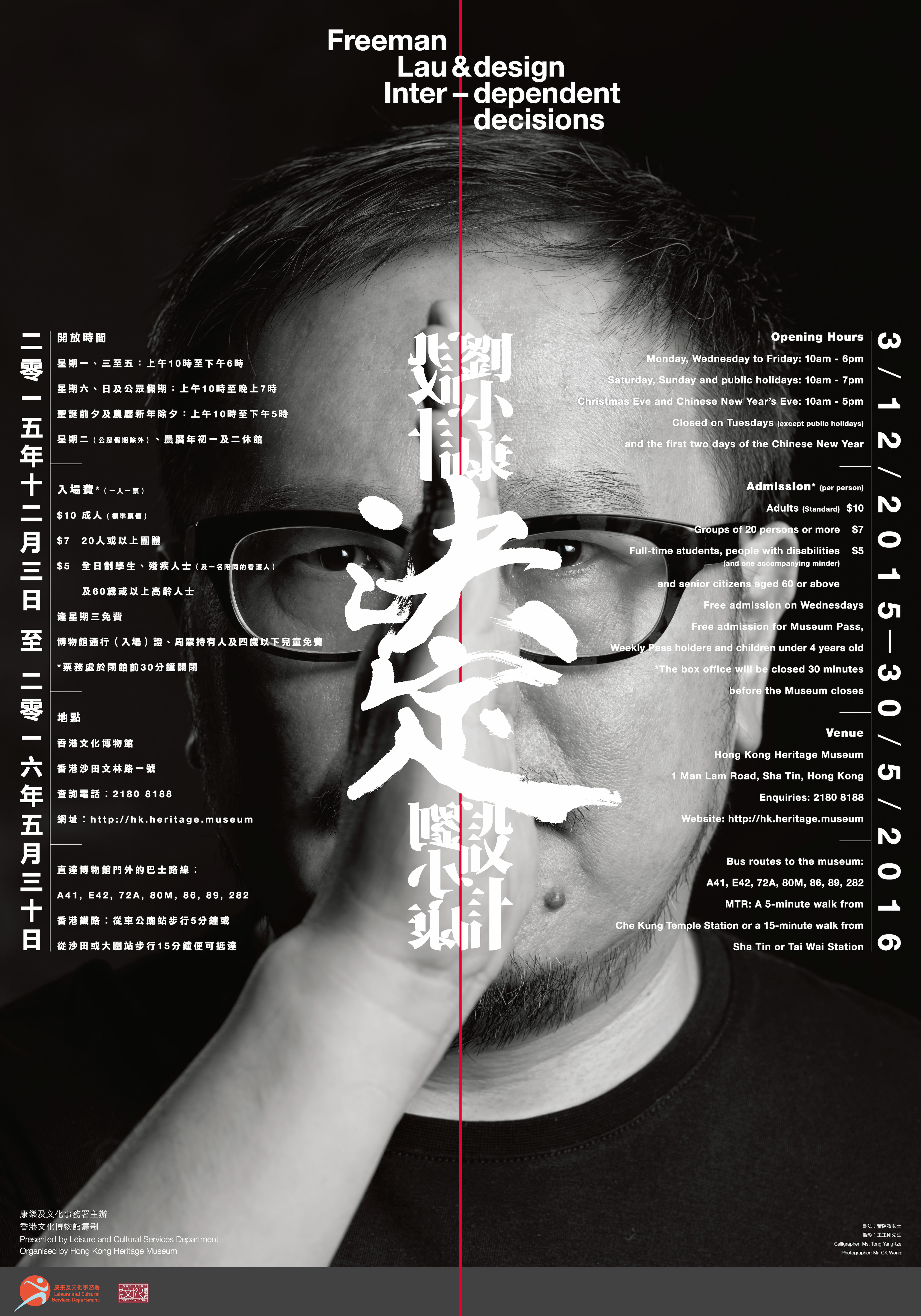
「甚麼決定設計」這本書的出版,源起於2015年的一次個展:「劉小康決定設計」——是次展覽的舉辦初衷可借用本書作者的原話“人生中期的成績報告”
身為香港知名設計師的劉小康,在親歷中國80年代初改革開放以及中國發展最快的三十年後,完成了一名當代中國設計師的蛻變與再生長:“思想的成年”。劉小康個人成長的時代大背景、所面對的真實挑戰及與之並存的契機,以及香港獨特的地域文化已滲入血脈的文化基因,共同鋪造了劉小康從設計小白到成為香港知名設計師的生長路徑:
The publication of the book can be traced back to a solo exhibition held in 2015, titled Lau Siu Hong Determines Design. The exhibition itself was conceived as what the author described as “a midlife report card”—a reflective milestone in a designer’s lifelong journey.
As one of Hong Kong’s most acclaimed designers, Lau Siu Hong witnessed both China’s Reform and Opening-up in the early 1980s and the nation’s extraordinary transformation over the following three decades. Through this remarkable period of social, economic, and cultural change, he underwent not only professional growth but also a profound intellectual maturation—what may be called the coming of age of a designer’s mind. The era into which Lau was born, the challenges he encountered, the opportunities that emerged alongside them, and the unique cultural DNA of Hong Kong that runs deeply through his identity all contributed to shaping his creative path—from a young novice entering the design profession to becoming one of Hong Kong’s leading design figures.
百家爭鳴的70年代,受業啟蒙
初入設計行業;
經濟騰飛的80年代,奠定專業設計師之路
終身志業之向;
瞬息萬變的90年代,香港設計師傑出代表
中國設計與世界的跨文化跨國際交流;
香港回歸後的千禧年,思維轉型和自我反覆運算
更是完成知名設計師跨越時代的思維轉型和自我反覆運算與升級:不斷挑戰跨界設計,持續創新與探索新介質與材質應用的嘗試與新應用場景的突破……
In the intellectually vibrant 1970s
He received his earliest inspirations and embarked upon the path of design.
Amid the economic boom of the 1980s
He established the foundations of a professional career and discovered what would become his lifelong vocation.
Throughout the rapidly changing 1990s
He emerged as one of Hong Kong’s most distinguished design representatives, actively participating in the growing cross-cultural dialogue between Chinese design and the international creative community.
Following Hong Kong’s return to China and into the new millennium
He continued to reinvent himself across changing times, embracing interdisciplinary practices, experimenting with new materials and media, and constantly exploring new possibilities and applications for design.
劉小康以時代親歷者、國際知名設計師以及中國設計師的三重視角,透過一個個城市文化品牌、一支支商業產品品牌及一場又一場公共藝術空間設計……,帶引讀者走進設計師創作的那個思想世界。通過劉小康親述在不同時期的出品的個人作品:從創意起源到設計雛形,再到因時因地因人去完善作品的全週期創作歷程,直至面對“當代性”的設計課題——
如何彌合時代審美與用戶心智之間的裂痕?
如何與不同時代的用戶共情?
怎樣通過設計語言與視覺呈現去創建與使用者情感連結與審美同頻?
Drawing upon his triple perspective as a witness to his era, an internationally recognized designer, and a Chinese creative practitioner, Lau guides readers into the intellectual landscape behind design itself. Through city branding projects, commercial identities, public art commissions, spatial interventions, and countless creative explorations, he reveals the thought processes that shape meaningful design. Through first-hand accounts of his works from different periods, readers are invited to follow the complete creative journey—from the birth of an idea and the formation of an initial concept, to the continual refinement of a project according to its people, place, and time. More importantly, Lau confronts some of the defining questions of contemporary design:
How can design bridge the widening gap between evolving aesthetics and changing user mindsets?
How can designers empathize with audiences across different generations?
How can visual language and design expression establish emotional resonance and cultivate shared aesthetic understanding?
問題不止,思想前行。 打開這樣一本書,就是讀者與作者一起去完成的一次思想旅行,是觀者、他者與創作者共同去探尋那個縈繞在胸的永恆課題:到底——「甚麼決定設計?」
The questions never cease. Nor does the pursuit of thought. To open this book is to embark upon an intellectual journey alongside its author. It is an invitation for readers, observers, fellow creators, and curious minds alike to explore a question that has long lingered at the heart of creative practice:What, ultimately, determines design?
注、有意深入瞭解劉小康及其作品的書友,可前往獨家專售管道:中華書局官網 搜索 <劉小康決定設計>,
亦可點選連結諮詢及進入官方購買管道連結;
Note: Readers interested in learning more about Lau Siu Hong and his work may visit the official website of Chung Hwa Book Company for further information and purchasing details.
進入購買管道 / Purchase